logo
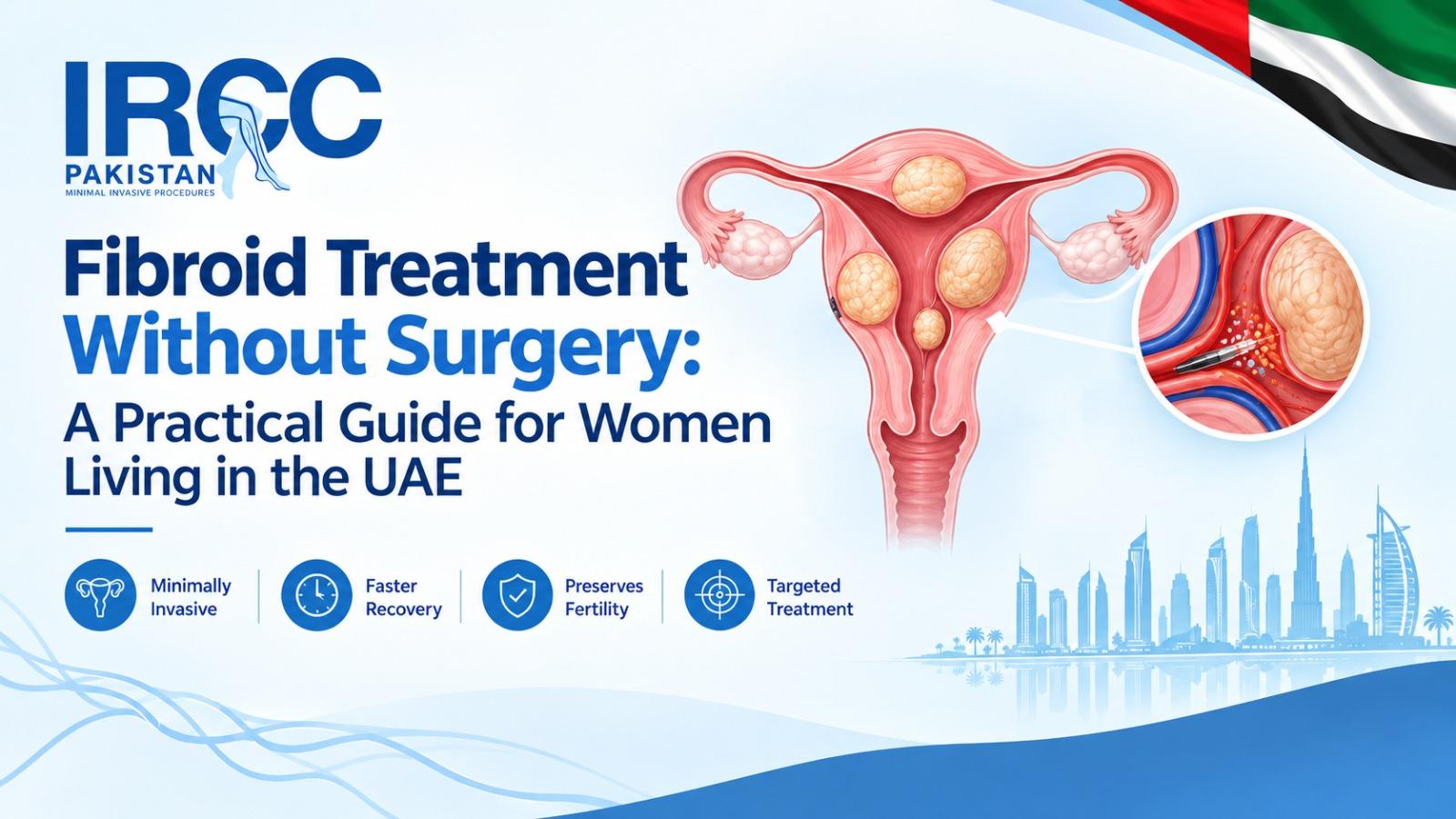
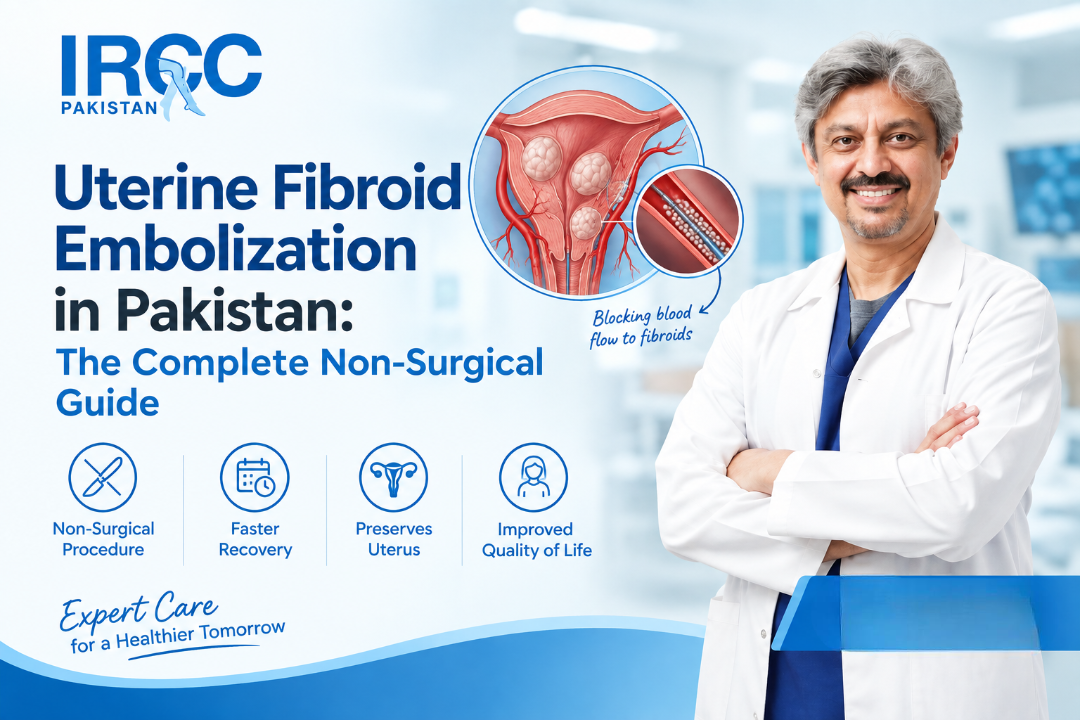
Uterine Fibroid Embolization

Interventional Oncology

Interventional radiology is a critical component of diagnosing and treating many types of cancer and cancer-related complications. Interventional radiology procedures provide targeted, minimally invasive therapies – particularly for cancers that cannot be treated with surgery or chemotherapy to the entire body.

Doctor
Uterine Fibroid Embolization Patient

These precise

image-guided interventional oncology techniques may be used to:

  • Treat tumors in the liver, kidneys and other organs.
  • Place central venous access devices, which are inserted into large veins to deliver medication.
  • Manage pain and other cancer-related complications such as organ obstruction.

At IRCC Pakistan, our interventional radiologists offer a number of therapies that are helping enhance quality-of-life and overall survival for patients with difficult-to-treat cancers. Our treatments often take advantage of special imaging technologies such as ultrasound as well as fluoroscopy, which uses X-rays to create real-time, moving images of structures inside the body. Treatment options include:

+

Symptoms

Radioembolization

Radioembolization, also known as selective internal radiation therapy (SIRT), delivers powerful radiation directly to the liver to treat liver tumors. A relatively new, minimally invasive procedure, radioembolization has been shown to help reduce the size of tumors and improve survival time among patients with advanced disease.

The procedure is generally reserved for patients whose chemotherapy is no longer working or patients who can no longer tolerate intensive chemotherapy. In some patients, however, combining radioembolization with chemotherapy has produced positive results.

+

benefits
What are the benefits?

The procedure helps target cancer in the liver with high-intensity radiation, while limiting side effects of the radiation to normal parts of the liver. This targeted dose of radiation can result in:

Size reduction of tumors

A reduction in markers of tumor activity

An increase in overall survival time

How does the procedure work?

Your interventional radiologist will insert a tiny tube (catheter) into an artery in your leg and guide it to the artery supplying blood to the liver. An X-ray picture study of liver arteries is performed, and all arteries that travel outside of the liver are blocked so that none of the powerful radiation will damage other organs. The radiation treatment is then completed in one or two sessions, depending on blood supply to the liver. Many patients require two treatments because two separate arteries supply the liver. Treatments are separated by 30 days.

During the procedure, you are given medication to relax as well as a local anesthetic to numb the area where the catheter is inserted. Most patients are sent home on the day of the radioembolization procedure.

+

Symptoms

Chemoembolization

Chemoembolization directly injects a cancer-fighting drug into the blood vessels feeding a cancerous tumor. Synthetic material called an embolic agent is also placed inside those blood vessels to hold the medication in the tumor. Chemoembolization is most often used to treat liver cancer, but also to treat cancers such as breast cancer and colon cancer that have spread to the liver. It has been used with some success in cancers in other areas of the body.

What are the benefits?

Chemoembolization delivers a high dose of chemotherapy directly into a tumor, without exposing the rest of the body to those powerful anti-cancer drugs. It also cuts off blood supply to the tumor. The procedure can:

Stop liver tumors from growing or cause them to shrink.

Potentially preserve liver function for a longer period.

Give patients another treatment option in addition to surgery, radiation and systemic chemotherapy.

How does the procedure work?

Your interventional radiologist will insert a tiny tube (catheter) through the skin and into an artery in the leg. Using X-ray imaging guidance, the catheter is advanced to the liver. Once the catheter is in the branches of the artery that feed the tumor, anti-cancer drugs and embolic agents are mixed together and injected. Additional X-rays are taken to confirm the entire tumor has been treated.

During the procedure, you are given medication to relax as well as a local anesthetic to numb the area where the catheter is inserted. The procedure is usually completed within 90 minutes and most patients return home the same day.

+

Symptoms

Bland Embolization

Bland embolization is a minimally invasive treatment for liver cancer or other cancers that have spread to the liver. The procedure uses synthetic material called an embolic agent to block vessels that supply blood to tumors in the liver. It is generally used for tumors that cannot be treated surgically, but it can also be used to stop bleeding prior to cancer surgery.

What are the benefits?

As a highly targeted, localized therapy, bland embolization can treat a tumor without impacting other parts of the body. It can be a treatment option for patients who are no longer having success with radiation or chemotherapy or it can be combined with other cancer treatments. As bland embolization cuts off blood supply to the tumor, it can:

Prevent the growth of tumors or cause them to shrink.

Potentially preserve liver function for a longer period.

How does the procedure work?

Using X-ray imaging guidance, your interventional radiologist will insert a catheter through the skin into a blood vessel in the leg. The catheter is advanced to arteries in the liver. The embolic agent is then inserted through the catheter and positioned within the vessels that supply blood to tumors. This permanently cuts off the blood supply feeding the tumors.

During the procedure, you are given medication to relax as well as a local anesthetic to numb the area where the catheter is inserted. The procedure varies in time depending on the complexity of your condition, but most patients go home the same day.

+

Get In Touch

If you’re facing Interventional Oncology, contact us now for online consultation

+What People Says

Patient Testimonials

Ayesha Malik

I was facing severe fibroid symptoms that were affecting my daily life. After undergoing Uterine Fibroid Embolization, my condition improved remarkably without surgery. The procedure was comfortable, and recovery was very quick. I truly appreciate the care and professionalism of the medical team.

Ayesha Malik
Peshawar

Ahmed Raza

I had been dealing with discomfort due to varicocele for a long time. The embolization procedure was simple and minimally invasive, and I experienced relief within a short period. The doctors explained everything clearly and made the entire process stress-free. Highly satisfied with the results.

Ahmed Raza
Islamabad
Sana Khan

I was worried about thyroid treatment options until I learned about Radiofrequency Ablation. The procedure was safe, painless, and required no surgery. My symptoms improved significantly, and recovery was smooth. I highly recommend this treatment and the medical team.

Sana Khan
Islamabad
Muhammad Usman

My leg pain and visible veins were getting worse, but Varicose Vein Ablation completely changed my condition. The treatment was quick, and I was able to walk normally the same day. Excellent experience and very professional medical care.

Muhammad Usman
Islamabad

From the Blogs

Apr 26, 2025
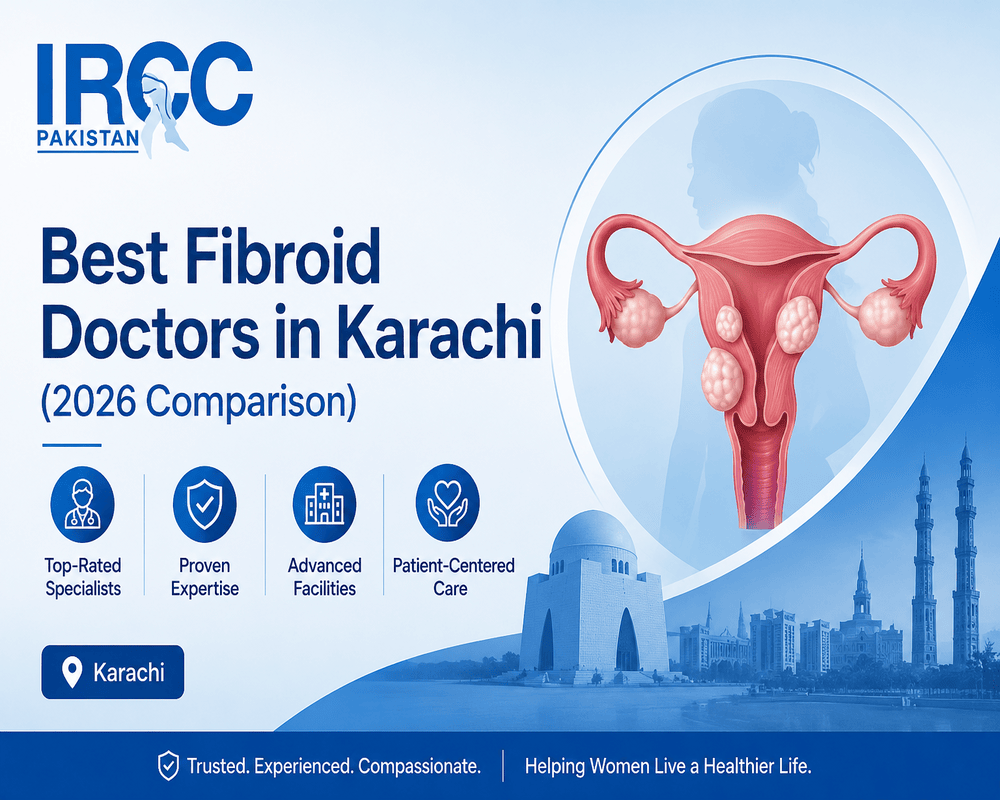
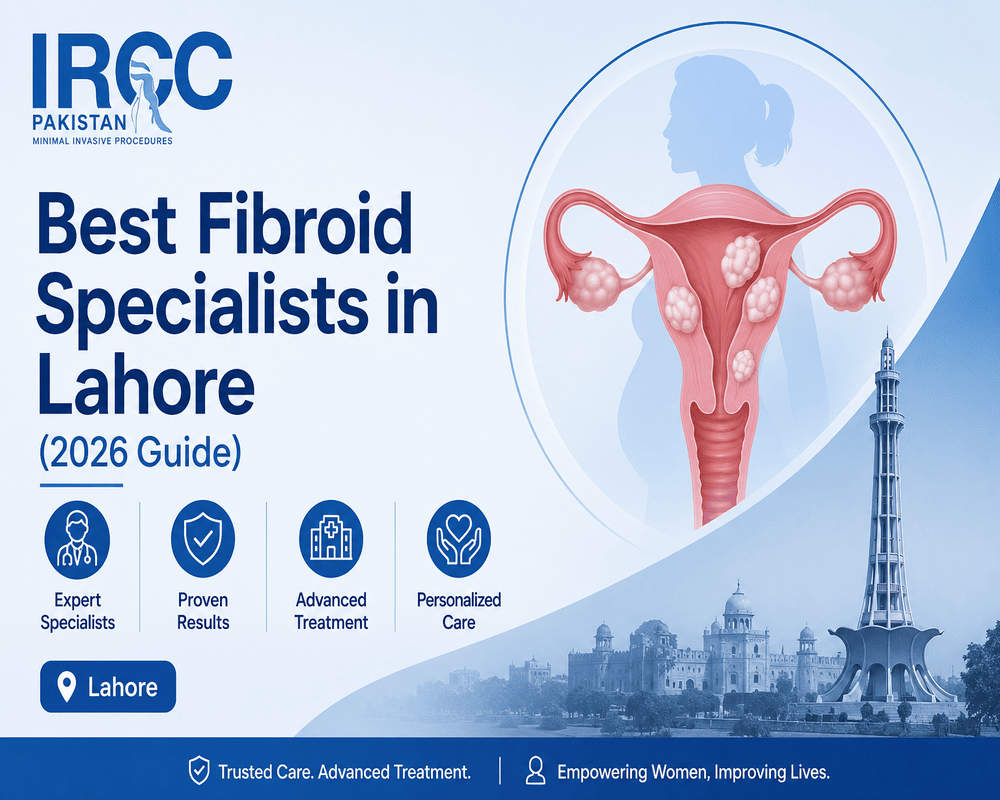
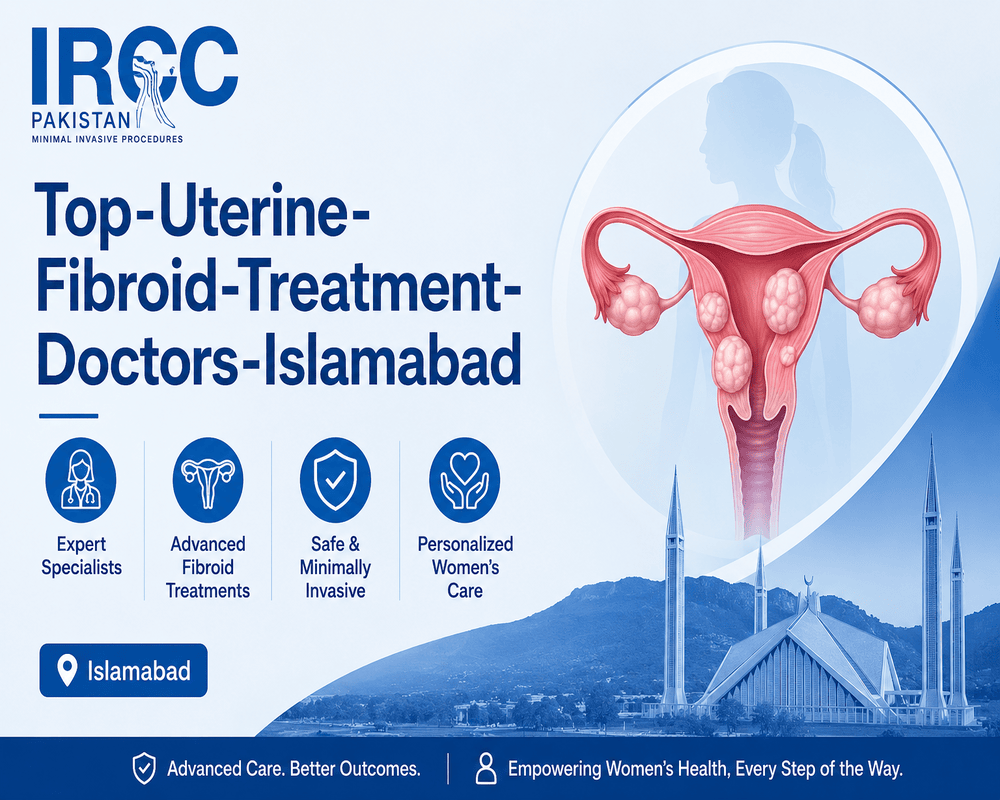
Pakistani women largely unaware of uterine fibroid!

Pakistani women largely unaware of uterine fibroid!

For decades, women with uterine fibroids, or benign growths inside the uterus, commonly have been offered two options to manage the symptoms—get a hysterectomy, or just deal with the pain.

Mar 15, 2025
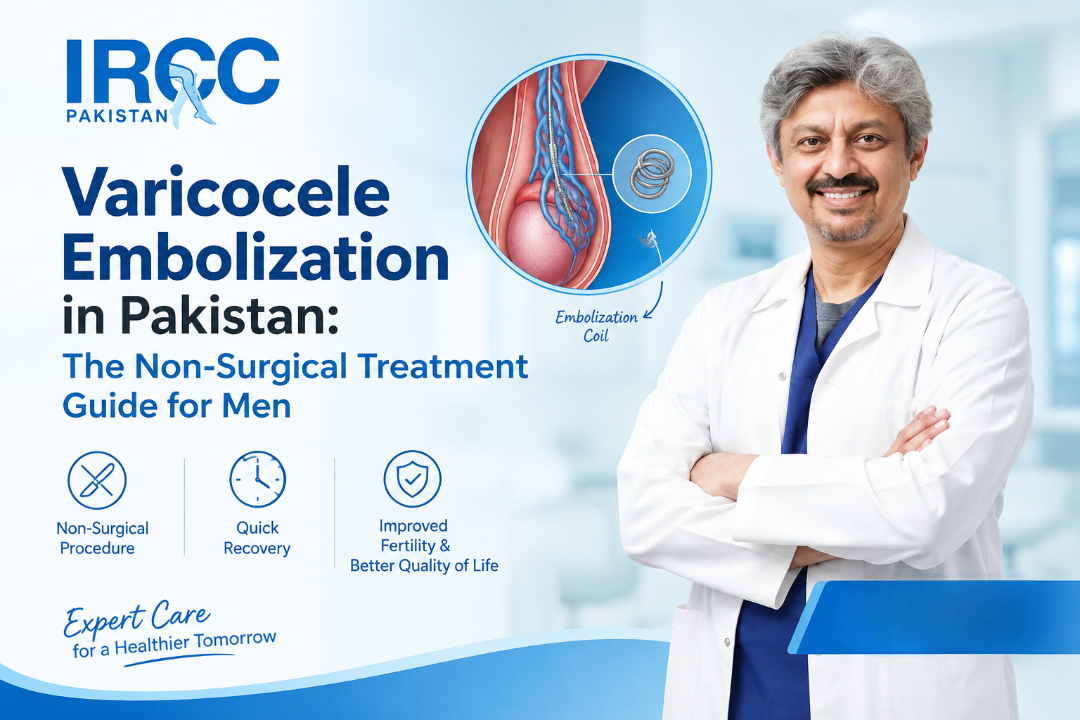
Varicocele and Male Infertility- is there any link?

Varicocele and Male Infertility- is there any link?

Male infertility often involves low sperm count. Varicocele, swollen veins within the testicles, is a common contributor and can impact sperm health.

Feb 12, 2025
Am I in Danger if I don’t Treat My Varicose Veins?

Am I in Danger if I don’t Treat My Varicose Veins?

Varicose veins are bulging, twisted veins that can be seen and felt right under the skin. They commonly occur on the legs, and are present in up to 30% of people.