logo
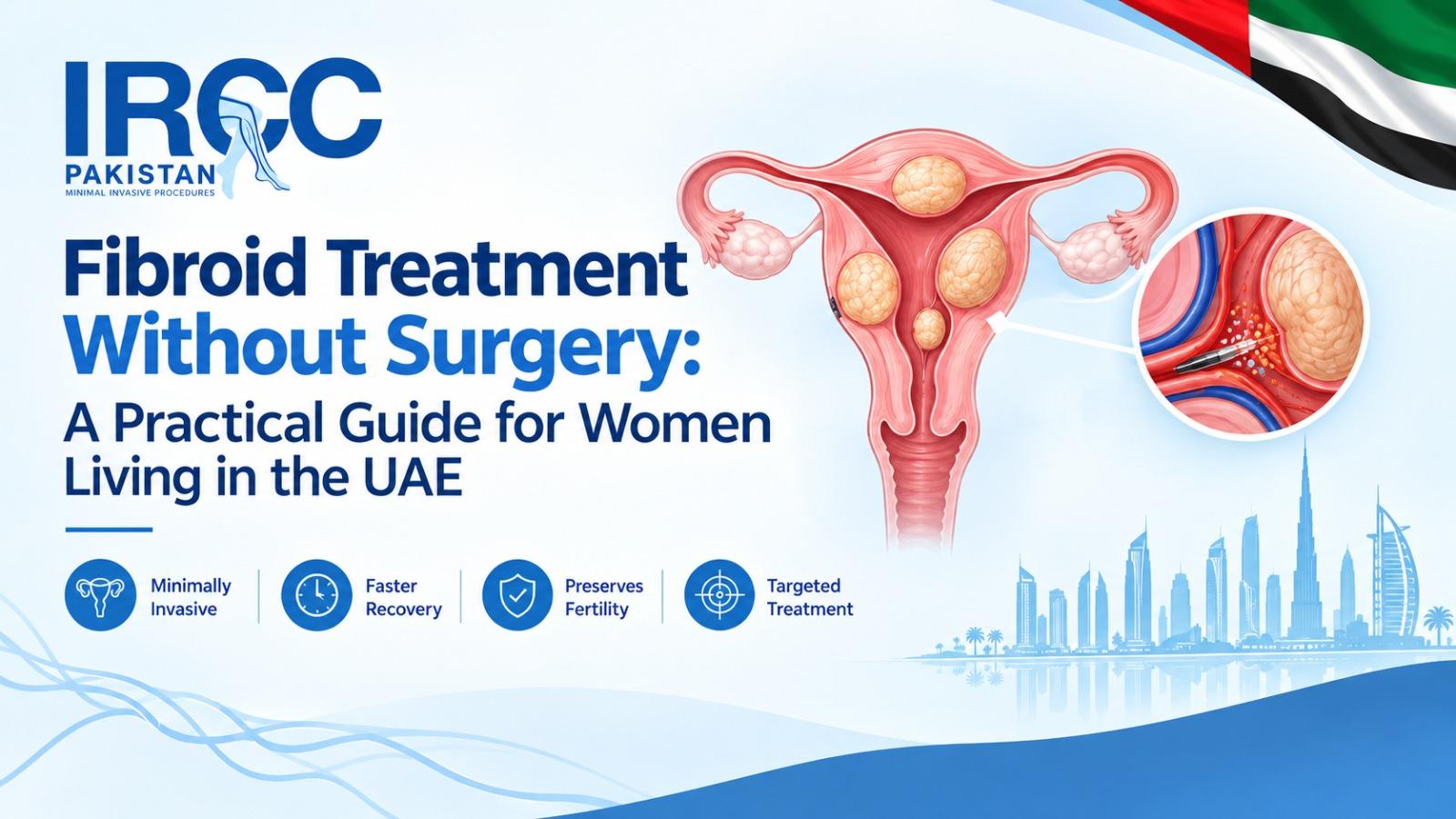
Uterine Fibroid Embolization

Pelvic Congestion
Syndrome Treatment

What is pelvic congestion syndrome?

Pelvic congestion syndrome is a condition that causes chronic pelvic pain. It is thought to be caused by problems with the veins in the pelvic area. This is the lower part of your belly (abdomen).

It happens mostly in women of childbearing age. It may be more common in women who have given birth to more than one child.

Doctor
Uterine Fibroid Embolization Patient

What causes pelvic congestion syndrome?

Healthcare providers are trying to understand the possible causes of pelvic congestion syndrome. Enlarged veins in the pelvis seem to play a major role. But many women have enlarged veins and no symptoms. Pregnancy may increase the risk for pelvic congestion syndrome. This is because veins enlarge during pregnancy to support the increased blood flow. This can permanently enlarge the veins and lead to symptoms.

Hormones may also play a role in pelvic congestion syndrome. Estrogen makes veins wider (dilates). This may be why the condition is not common after menopause. Estrogen levels are lower after menopause. Other hormones may also cause veins to grow wider and cause symptoms.

+

Symptoms
Who is at risk for pelvic congestion syndrome?

You may have a higher risk for pelvic congestion syndrome if you have given birth to more than one child. You may also have a higher risk if other members of your family have it.

What are the symptoms of pelvic congestion syndrome?

The main symptom of pelvic congestion syndrome is pelvic pain that lasts at least 6 months. This pain often first starts during or after a pregnancy. It may worsen after a later pregnancy. The pain may be a heavy or aching feeling. Or the pain may be sharp. Usually the pain is only on one side, usually the left side. At times you may feel it on both sides. The pain is often worse at the end of the day.

Certain factors may make the pain worse, such as:

Changing your posture

Having sex (both during and after)

Standing for a long time

Walking

Some women also have symptoms such as:

Pain before or during their periods

Feeling a sudden need to urinate

Enlarged and distorted veins on the buttocks, external genitals (vulva), or thighs

+

Benefits
How is pelvic congestion syndrome diagnosed?

Urine tests to check for problems with your urinary system

Blood tests to check for pregnancy, sexually transmitted infections (STIs), anemia, and other conditions

Pelvic ultrasound to look for growths in the pelvis

Doppler ultrasound to check the blood flow in the pelvic blood vessels

CT scan or MRI for more detailed pictures

Diagnostic laparoscopy to rule out other causes of pelvic pain

A procedure to take fluoroscopy of the pelvic veins (venography)

How is pelvic congestion syndrome treated?

Ovarian vein embolization is a minimally invasive treatment for pelvic congestion syndrome that is used to close off faulty veins so they can no longer enlarge with blood, thus relieving the pain.

Pelvic congestion syndrome, also known as ovarian vein reflux, is a painful condition resulting from the presence of varicose veins in the pelvis. The condition is caused by valves in the veins that help return blood to the heart against gravity becoming weakened and not closing properly, allowing blood to flow backwards and pool in the vein causing pressure and bulging veins.

During this procedure, an interventional radiologist inserts a catheter through the brachial vein into the faulty veins. Catheterization requires only a small nick in the skin for insertion and under image guidance of the catheter to its target area. The catheter delivers embolization coils that clot the blood and seal the faulty vein. The use of the recently developed Sotradecol foam agent allows the interventional radiologist to block even the smallest veins not previously accessible

+

benefits
What are the benefits of ovarian vein embolization?

Ovarian vein embolization is a minimally invasive outpatient procedure that:

Requires NO general anesthesia (only local anesthesia)

Results in NO scarring

Requires NO overnight stay (same day procedure)

With ovarian vein embolization, you can expect:

Success rates of 90%.

Quicker recovery time

+

Get In Touch

If you’re facing pelvic congestion syndrome, contact us now for online consultation

+What People Says

Patient Testimonials

Ayesha Malik

I was facing severe fibroid symptoms that were affecting my daily life. After undergoing Uterine Fibroid Embolization, my condition improved remarkably without surgery. The procedure was comfortable, and recovery was very quick. I truly appreciate the care and professionalism of the medical team.

Ayesha Malik
Peshawar
Ahmed Raza

I had been dealing with discomfort due to varicocele for a long time. The embolization procedure was simple and minimally invasive, and I experienced relief within a short period. The doctors explained everything clearly and made the entire process stress-free. Highly satisfied with the results.

Ahmed Raza
Islamabad
Sana Khan

I was worried about thyroid treatment options until I learned about Radiofrequency Ablation. The procedure was safe, painless, and required no surgery. My symptoms improved significantly, and recovery was smooth. I highly recommend this treatment and the medical team.

Sana Khan
Islamabad
Muhammad Usman

My leg pain and visible veins were getting worse, but Varicose Vein Ablation completely changed my condition. The treatment was quick, and I was able to walk normally the same day. Excellent experience and very professional medical care.

Muhammad Usman
Islamabad

From the Blogs

Apr 26, 2025
Pakistani women largely unaware of uterine fibroid!

Pakistani women largely unaware of uterine fibroid!

For decades, women with uterine fibroids, or benign growths inside the uterus, commonly have been offered two options to manage the symptoms—get a hysterectomy, or just deal with the pain.

Mar 15, 2025
Varicocele and Male Infertility- is there any link?

Varicocele and Male Infertility- is there any link?

Male infertility often involves low sperm count. Varicocele, swollen veins within the testicles, is a common contributor and can impact sperm health.

Feb 12, 2025
Am I in Danger if I don’t Treat My Varicose Veins?

Am I in Danger if I don’t Treat My Varicose Veins?

Varicose veins are bulging, twisted veins that can be seen and felt right under the skin. They commonly occur on the legs, and are present in up to 30% of people.