Can Fibroids Affect Fertility? What Women Should Know
Reviewed by: Dr Shahbaz Ahmed Qazi (FCPS, FRCR, EBIR).
Fibroids can affect fertility in some women, but many women with fibroids still conceive. The effect depends mainly on the size, number and location of the fibroids. Fibroids that change the shape of the uterine cavity matter most. A gynaecologist can check your scan report and advise whether treatment is needed before you try to conceive.
Many women find out they have fibroids during a routine ultrasound, and the first question is often whether they will be able to have children. The honest answer is that fibroids affect fertility in some women and not in others. If treatment is discussed later, Uterine Fibroid Embolization is one of several options your specialist may explain. This guide explains how fibroids and fertility are linked, what your scan report means and what to ask your doctor.
Fibroids and fertility: how they are connected
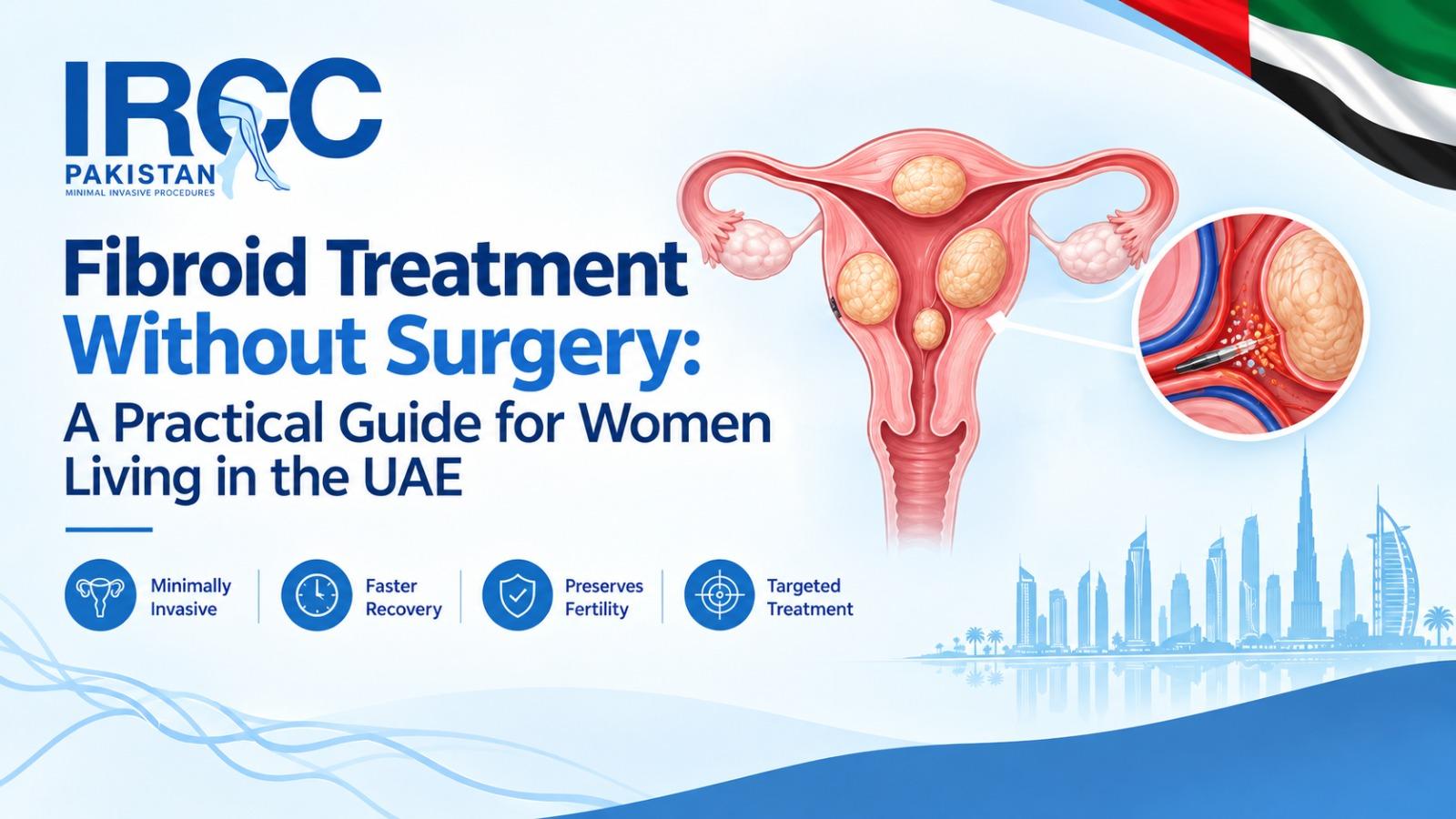
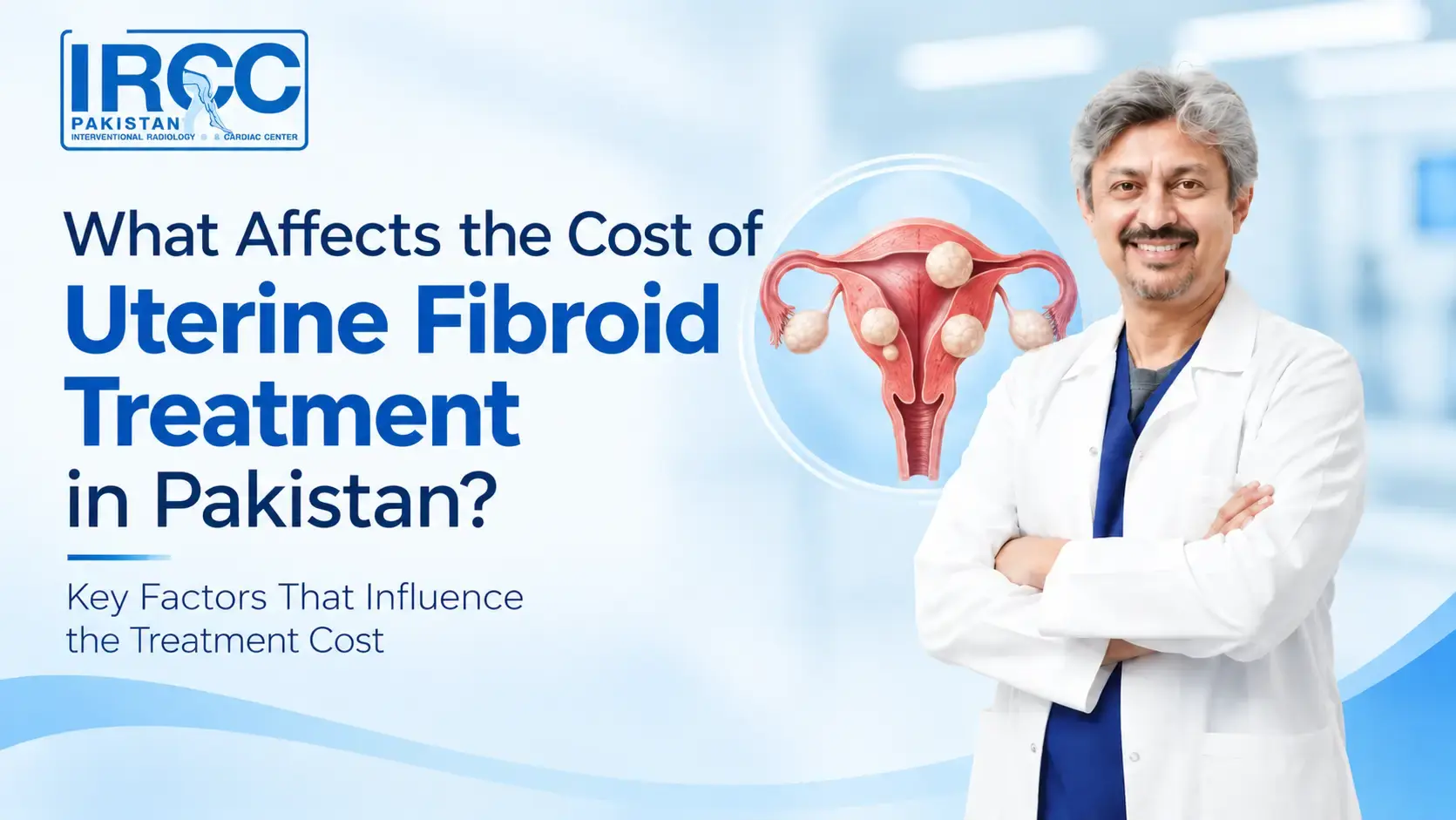
Uterine fibroids, also called leiomyomas, are non-cancerous growths that develop from the muscle of the uterus. They are very common, especially during the years when a woman can become pregnant. Most fibroids cause no symptoms and are found by chance. Whether a fibroid matters for pregnancy depends on where it sits, how large it is and whether it changes the lining of the uterus. Doctors look at the whole picture rather than at one fibroid alone.
Can fibroids cause infertility?
Fibroids can be linked to fertility problems, but they are not the cause for every woman who cannot conceive. Doctors consider fibroids as one possible factor among others, such as ovulation, the fallopian tubes and the health of the partner. A fibroid is more likely to be a factor when it distorts the uterine cavity, which is the space where an embryo implants. If other causes are found, they need attention too, so your doctor will decide which tests matter for you.
Fibroids and pregnancy
Many women with fibroids become pregnant and have healthy pregnancies. During pregnancy, fibroids can grow or become painful because of hormone changes. Some women have bleeding, pain or changes in the position of the baby, so the obstetric team will monitor them. If you have fibroids and plan a pregnancy, raise this before you start trying, so the plan can take them into account.
Fibroid location and fertility
Location is often the most important factor. Fibroids are grouped by where they grow, and each group has a different level of effect on pregnancy.
Fibroids inside the uterine cavity
Fibroids that grow into the uterine cavity, called submucosal fibroids, are the type most often linked to fertility problems. They can change the shape of the cavity and affect whether an embryo implants. They can also cause heavy periods. Because the effect is greatest here, doctors discuss these fibroids more carefully when a woman is trying to conceive.
Fibroids in the muscle wall and on the outside
Intramural fibroids grow inside the muscle wall of the uterus, and subserosal fibroids grow on its outer surface. Many of these cause no problem for pregnancy, especially when they are small. Some larger intramural fibroids can still distort the cavity, so the full scan report should be read rather than judged by the location name alone.
How fibroid size and number matter
Size and number matter too, but they do not tell the whole story. One small fibroid in an unhelpful position can matter more than several fibroids that sit away from the cavity. Your doctor will look at the size and position of each fibroid and will also consider your age, your ovarian reserve and how long you have been trying to conceive. Do not compare your report with a friend's, because two women with similar scan results can have very different outcomes.
Fertility after fibroid treatment
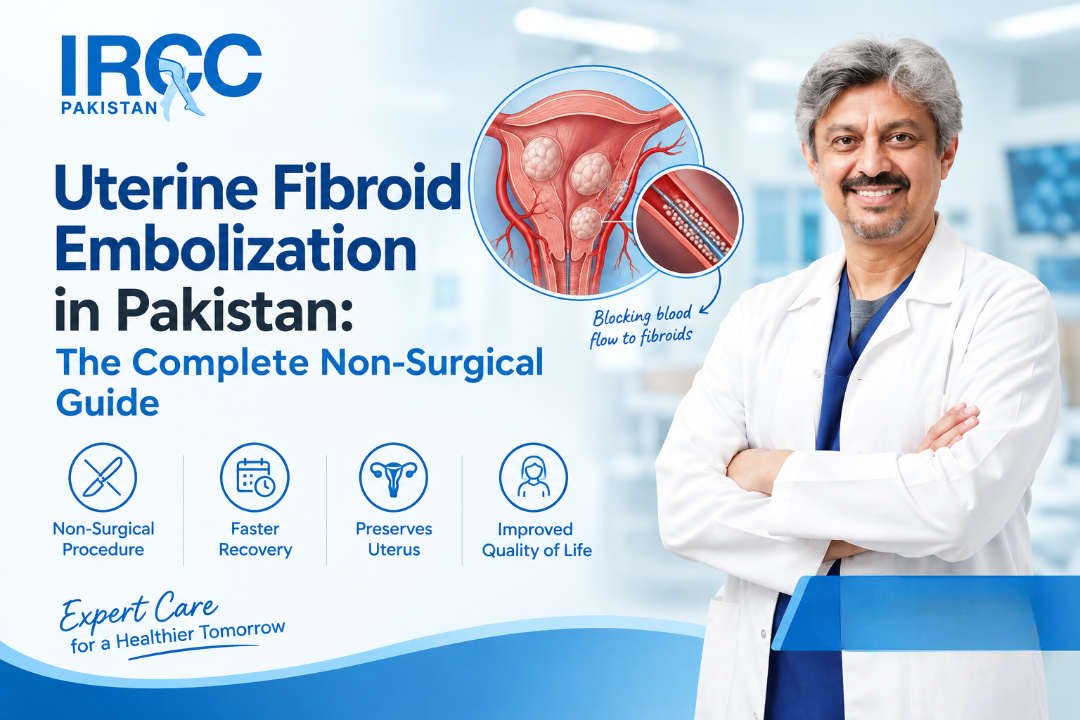
Some women consider treatment because of symptoms, while others want to conceive. The right option depends on the symptoms, the position and size of the fibroids and your plans for pregnancy. Options a specialist may discuss include medicines to control bleeding, surgery to remove fibroids while keeping the uterus (myomectomy), and minimally invasive treatments such as uterine fibroid embolization. Each option affects future pregnancy in a different way, so ask which one is best if you plan to have children. For a wider picture of what patients usually ask before treatment, read Women Unaware of Fibroid Embolization (UFE) | IRCC.
No treatment can promise a pregnancy, and results vary between women. Your specialist should explain the benefits and risks of each option in writing before you decide. Treatment costs are covered in a separate guide, Uterine Fibroid Treatment Cost in Pakistan: What Affects It?, but no price is quoted in this article.
Tests that show whether fibroids affect fertility
A scan is usually the first step. An ultrasound is common and shows the size and position of many fibroids. An MRI gives more detail on the number and exact location of fibroids and is often used when a doctor needs a clearer picture before treatment or pregnancy. If you are trying to conceive, your doctor may also check the fallopian tubes and the uterine cavity with a dedicated test. Bring your previous scan reports to your appointment, because comparing reports over time shows whether fibroids are growing.
Questions to ask your doctor
A short list of questions helps you get the most from a consultation. Ask where your fibroids are and how each one is described in the report. Ask whether they are likely to affect implantation or pregnancy, and why. Ask which tests would give a clearer answer, and whether any other causes of infertility should be checked at the same time. If treatment is suggested, ask what it involves, how long recovery takes, what the risks are and how it could change your plans for pregnancy. Write the answers down, and bring a partner or a family member if that helps you remember.
Keep your reports together in one folder, both paper and digital copies. Scan images from different years are more useful when they can be compared side by side. A clear record also saves time if you are seeing a different specialist or planning treatment abroad. Before the visit, write down your symptoms and the dates they started, because this history helps the specialist decide quickly which tests to order.
How fibroids are usually found
Many fibroids are found during a pelvic ultrasound done for another reason, such as checking a pregnancy, investigating pain or looking into irregular bleeding. Some are found during a routine check-up when the doctor feels an enlarged uterus. Finding a fibroid does not mean you need treatment. Most doctors will monitor a fibroid that causes no symptoms and does not affect your plans, and will review it at intervals with another scan.
When to see a doctor
See a doctor if you have tried to conceive for 12 months without success, or for 6 months if you are 36 or older. Also seek advice if you have heavy periods, severe pelvic pain, bleeding between periods, pressure on the bladder or bowel, or signs of anaemia such as tiredness and breathlessness. Earlier review is sensible if you already know you have fibroids and want to plan a pregnancy. Most fibroid symptoms can be managed, and a specialist can explain your options clearly.
Related guides: Women Unaware of Fibroid Embolization (UFE) | IRCC and Uterine Fibroid Treatment Cost in Pakistan: What Affects It?
References
- NHS, Fibroids: nhs.uk/conditions/fibroids
- ACOG Practice Bulletin No. 228, Management of Symptomatic Uterine Leiomyomas (2021): acog.org
- NICE NG23, Fertility problems: assessment and treatment: nice.org.uk/guidance/ng23
Frequently Asked Questions
Can fibroids cause infertility?
Fibroids can be linked to fertility problems in some women, mainly when they change the shape of the uterine cavity or block the fallopian tubes. Many women with fibroids still become pregnant without any treatment. A specialist can judge your situation from your scan report and your history.
Does fibroid location affect pregnancy?
Yes. Fibroids inside the uterine cavity usually have the greatest effect, while fibroids in the outer wall or on the outside of the uterus usually have less. Your doctor will read your scan to see where each fibroid sits.
Can I get pregnant after fibroid treatment?
Some women do become pregnant after treatment, but the answer depends on the type of treatment, the size and location of the fibroids, and your age. Discuss your pregnancy plans before you choose a treatment, because the options differ. Results vary between women, so no outcome can be promised.
Which tests show whether fibroids affect fertility?
An ultrasound is usually the first test. An MRI gives more detail on the number, size and position of fibroids, and a specialist may check the fallopian tubes if you are trying to conceive. The tests you need depend on your symptoms and history.
When should I see a doctor about fibroids and fertility?
See a doctor if you have tried to conceive for 12 months without success, or for 6 months if you are 36 or older, as NICE guidance on fertility problems advises. See a doctor sooner for heavy bleeding, severe pelvic pain or symptoms of anaemia.