Varicocele Symptoms in Men: Pain, Swelling and When to Test
Reviewed by: Dr Shahbaz Ahmed Qazi (FCPS, FRCR, EBIR).
Quick answer: Varicocele symptoms include a dull ache or heaviness in the scrotum, a soft swelling that feels like a bag of worms, and sometimes a smaller testicle on the same side. Many men have no symptoms. Get tested if you have pain or swelling, or if you are trying for a baby without success.
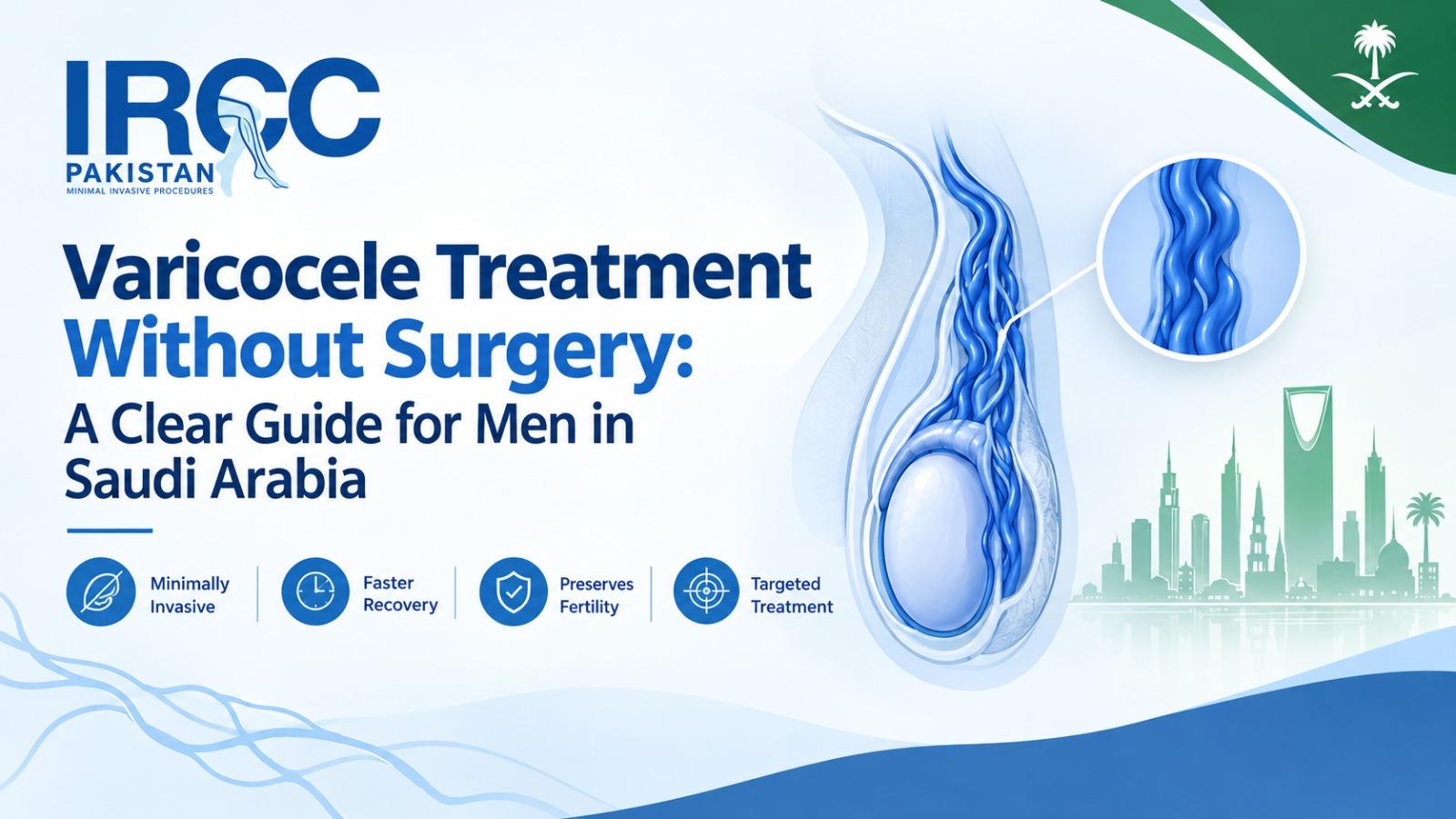
A varicocele is a group of enlarged veins inside the scrotum, the pouch that holds the testicles. It works much like a varicose vein in the leg. The valves that keep blood moving in the right direction stop working well, so blood pools and the veins swell. Varicoceles are most often found on the left side. Many are harmless, but when they cause pain, swelling or fertility problems, a specialist may discuss options such as Varicocele Embolization.
Varicocele symptoms to watch for
Many varicoceles are found during a routine check, so the symptoms below are worth noting even if they come and go. Use the table as a guide, then book a review if several of them apply to you.
| Symptom | How it usually feels | What to do |
|---|---|---|
| Dull ache or heaviness | In the scrotum, often after standing or exercise, and easier when lying down | Book a review if it lasts or keeps coming back |
| Testicular pain | A dragging or aching feeling on one side, sometimes worse at the end of the day | Book a review. Sudden severe pain needs urgent care (see below) |
| Scrotal swelling | A soft, lumpy swelling above the testicle that feels like a bag of worms | Book a review. Note whether it is bigger lying down or standing |
| Smaller testicle on one side | The affected testicle may feel softer or smaller over time | See a urologist, who can check the size and do a scan |
| Fertility difficulty | No pregnancy after a year of regular unprotected sex, or trouble with sperm tests | See a doctor. A semen analysis is usually the first test |
Dull ache or heaviness
The most common complaint is a dull ache or a sense of heaviness on one side of the scrotum. It often gets worse after standing for a long time or after exercise, and it usually eases when you lie down. Mild discomfort on its own is common, but it should still be checked if it does not settle.
Testicular pain with a varicocele
Pain linked to a varicocele is usually dull and comes and goes. Sharp or sudden pain is not typical of a varicocele and needs a prompt assessment, because other conditions can cause testicular pain.
Scrotal swelling
Some men feel a soft, lumpy swelling above the testicle, often on the left side. The swelling may be larger when you are standing and smaller when you lie down. A doctor can tell the difference between a varicocele and other lumps with an examination and a scan.
A smaller testicle on one side
Over time, a varicocele can be linked to a smaller testicle on the affected side. This is why a specialist checks the size of both testicles during the examination. A change in size is a reason to get a scan, not a reason to panic.
Many varicoceles cause no symptoms
A varicocele can be present for years without any symptoms, and it is often discovered during a check for another reason. Doctors do not usually treat a varicocele that causes no pain, no swelling and no fertility problem. Instead, they may recommend regular check-ups, so that any change is noticed early.
Varicocele and fertility tests
Varicoceles are one of the commonly discussed causes of male fertility problems, although many men with a varicocele have children without treatment. If you are trying for a baby and have not conceived after a year of regular unprotected sex, your doctor will usually suggest tests for both partners.
| Test | What it shows |
|---|---|
| Semen analysis | Sperm count, movement and shape. Usually the first test |
| Scrotal ultrasound with Doppler | The size of the veins, blood flow and the size of both testicles |
| Hormone blood tests | Hormone levels that affect sperm production |
| Physical examination | Feeling for enlarged veins while standing, and comparing the two sides |
A varicocele and fertility are linked, but the connection is not the same for every man. Read Varicocele and Male Infertility: Is There a Link? | IRCC for a plain explanation of when a varicocele matters for conceiving.
When to see a urologist
A urologist is a specialist in the urinary tract and male reproductive system. See one if any of these apply to you:
- You have a dull ache, heaviness or swelling in the scrotum that lasts or keeps coming back
- You have had a scan that showed a varicocele and you want to know whether treatment is needed
- You are trying for a baby and have not conceived after a year of regular unprotected sex
- Your semen analysis shows low sperm count, poor movement or unusual shape
- One testicle has become noticeably smaller than the other
Treatment options your specialist may discuss
Treatment is not needed for every varicocele. The decision depends on symptoms, the size of the veins, the effect on sperm tests and your plans for a family. No single option is right for everyone.
| Option | How it works | Points to discuss |
|---|---|---|
| Observation and regular checks | No procedure. Symptoms and size are monitored over time | Suitable when there is no pain, no size change and no fertility concern |
| Microsurgical varicocele repair | A surgeon ties or removes the affected veins, usually through a small cut | Surgery, recovery time and the risk of recurrence |
| Varicocele embolization | A radiologist blocks the affected vein through a thin tube, without an open cut | Suitability, recovery and follow-up. Ask about the results for your case |
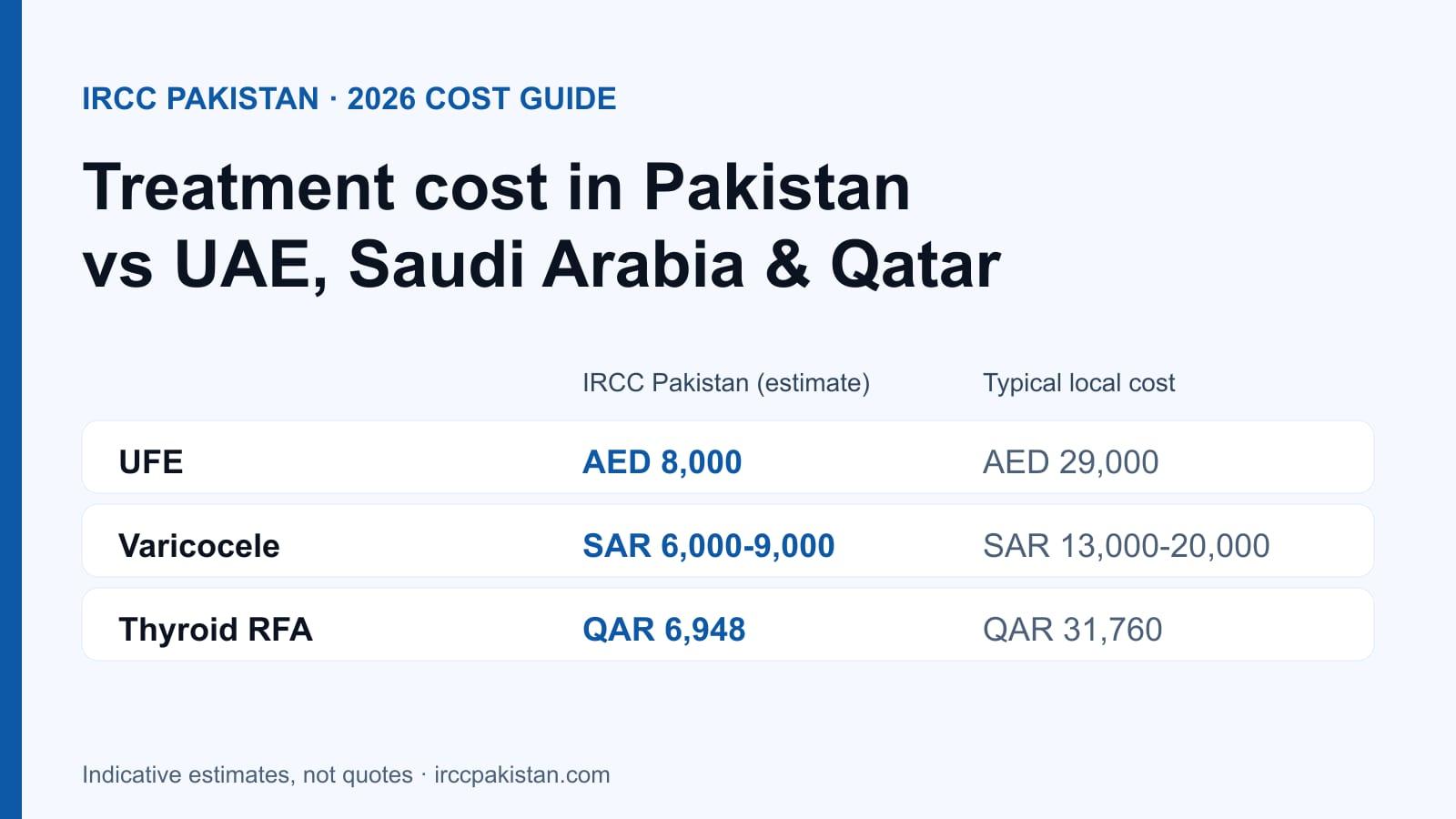
If you are comparing options, the cost of each can vary. Read Varicocele Treatment Cost in Pakistan: What Affects It? to understand the factors that change the price. Ask your clinic to confirm the cost for your case in writing.
Common myths about varicocele
Some beliefs about varicoceles cause unnecessary worry, while others delay a check that is needed. These points are worth knowing.
A varicocele always causes infertility
No. Many men with a varicocele have children without treatment. Infertility is one possible effect, and the semen analysis helps show whether it applies to you.
Only older men get a varicocele
A varicocele is often first noticed in younger men, sometimes during the teenage years or early adulthood. Age alone does not decide whether it needs attention.
A varicocele is just a harmless bump
Many varicoceles are harmless, but a swelling that causes pain, changes size, or affects fertility should be reviewed. A doctor can confirm the diagnosis with an examination and a scan.
Surgery always solves the problem
No treatment guarantees a result for every man. Outcomes depend on the size of the veins, your symptoms and your health. Ask your specialist to explain the expected results and the follow-up for your case.
Practical steps while you wait for a review
Waiting for a review can be worrying, especially when pain affects work or sleep. These steps can make the wait easier and give your doctor better information.
- Wear supportive underwear that holds the scrotum comfortably, and avoid tight clothing for long periods.
- Take regular breaks from sitting or standing for long periods, and avoid heavy lifting if it increases the ache.
- Note when the ache or swelling happens, how long it lasts and what makes it better or worse. This helps your doctor.
- Do not start painkillers or supplements for long periods without advice from a pharmacist or doctor.
- Do not ignore sudden severe pain. Seek emergency help straight away.
What to expect at your first consultation
The doctor will ask about your symptoms, when they started, your general health, any surgeries, and whether you are trying for a baby. An examination follows, usually standing and lying down, so the doctor can compare both sides. A scan is often arranged on the same day or soon after.
Bring any previous scan reports, semen analysis results and a list of your medicines. If you have a symptom diary, bring it too. A few weeks of notes are more useful than a memory of one bad day.
Related guides: Varicocele and Male Infertility: Is There a Link? | IRCC and Varicocele Treatment Cost in Pakistan: What Affects It?.
References
- NHS, Testicle pain (including testicular torsion): nhs.uk/symptoms/testicle-pain
- NHS, Infertility in men: nhs.uk/conditions/infertility
- European Association of Urology (EAU) Guidelines on Sexual and Reproductive Health: uroweb.org
- AUA/ASRM Guideline on the Evaluation of the Infertile Male (2024): auanet.org
Frequently Asked Questions
What are the first signs of a varicocele?
The first signs are often a dull ache or heaviness in the scrotum and a soft, lumpy swelling above the testicle, usually on the left. Many men have no signs at all, and the varicocele is found during an examination.
Can a varicocele cause pain all the time?
Some men have a constant dull ache, while others only notice discomfort after standing or exercise. Sudden severe pain is not typical of a varicocele, so it should always be checked urgently.
Does a varicocele always affect fertility?
No. Many men with a varicocele have children without treatment. A semen analysis and a scan help show whether the varicocele is affecting sperm, and that result guides the next step.
When should I see a doctor about a varicocele?
See a doctor if you have pain or swelling that lasts, a change in testicle size, or fertility difficulty after a year of regular unprotected sex. Seek emergency care for sudden severe testicular pain.