Heavy Periods and Fibroids: Signs You Should Not Ignore
Reviewed by: Dr Shahbaz Ahmed Qazi (FCPS, FRCR, EBIR).
Quick answer: Fibroids can cause heavy periods. They are non-cancerous growths in the uterus, and those inside the uterine cavity are the most likely to increase bleeding. Other conditions can also cause heavy bleeding, so a doctor should find the cause before treatment is chosen.
Many women think a heavy period is just part of their cycle, or something that comes with age. Sometimes that is true. But when bleeding soaks through protection often, lasts longer than usual, or leaves you tired and short of breath, it needs a proper check. Fibroids are one of the most common reasons doctors find for heavy bleeding, and they are usually easy to see on an ultrasound scan. When fibroids are the cause, minimally invasive options such as Uterine Fibroid Embolization may be among the choices a specialist discusses.
What counts as a heavy period?
Doctors call very heavy bleeding heavy menstrual bleeding, also known as menorrhagia. The NHS describes it as bleeding that affects your daily life. Use the table below as a guide, then talk to a doctor if several signs apply to you.
| Sign | Usually normal or heavy? | What to do |
|---|---|---|
| Protection changed every few hours with no soaking | Usually normal flow | No action needed |
| Soaking through a pad or tampon every 1 to 2 hours for several hours | Heavy | Ask a doctor for an assessment |
| Using a pad and a tampon together, or waking at night to change | Heavy | Ask a doctor for an assessment |
| Period lasting more than 7 days | Heavy or prolonged | Ask a doctor for an assessment |
| Passing large blood clots | Heavy | Ask a doctor for an assessment |
| Bleeding between periods or after sex | Not a heavy period, but needs checking | See a doctor soon |
How fibroids can cause heavy periods
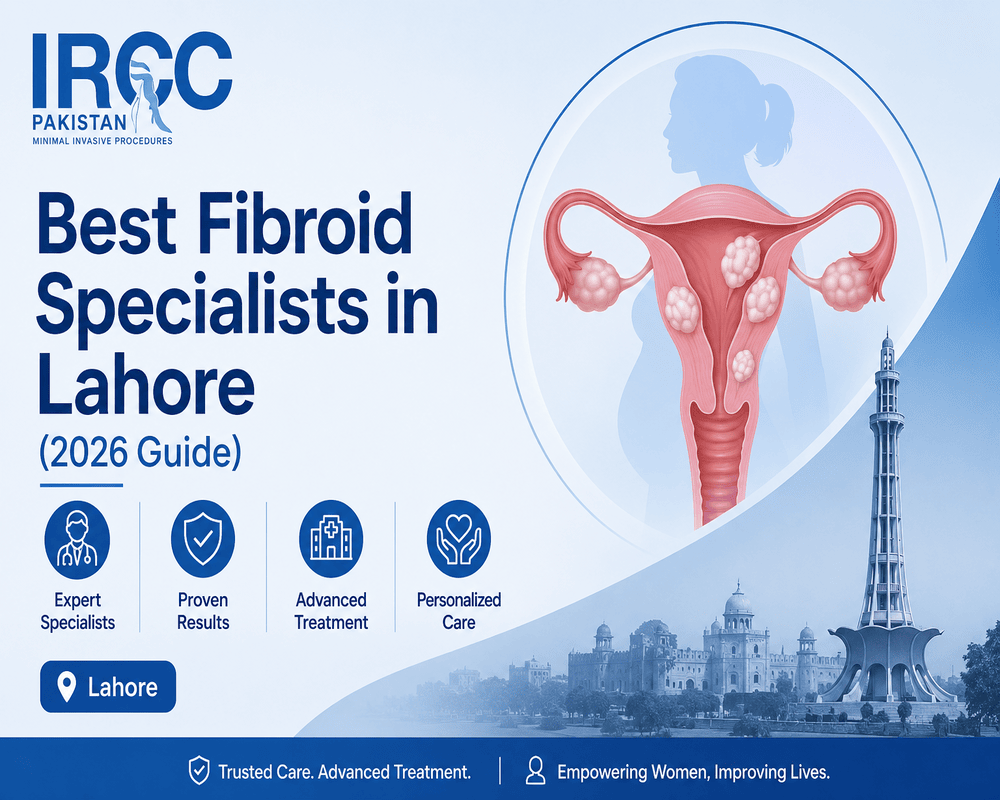
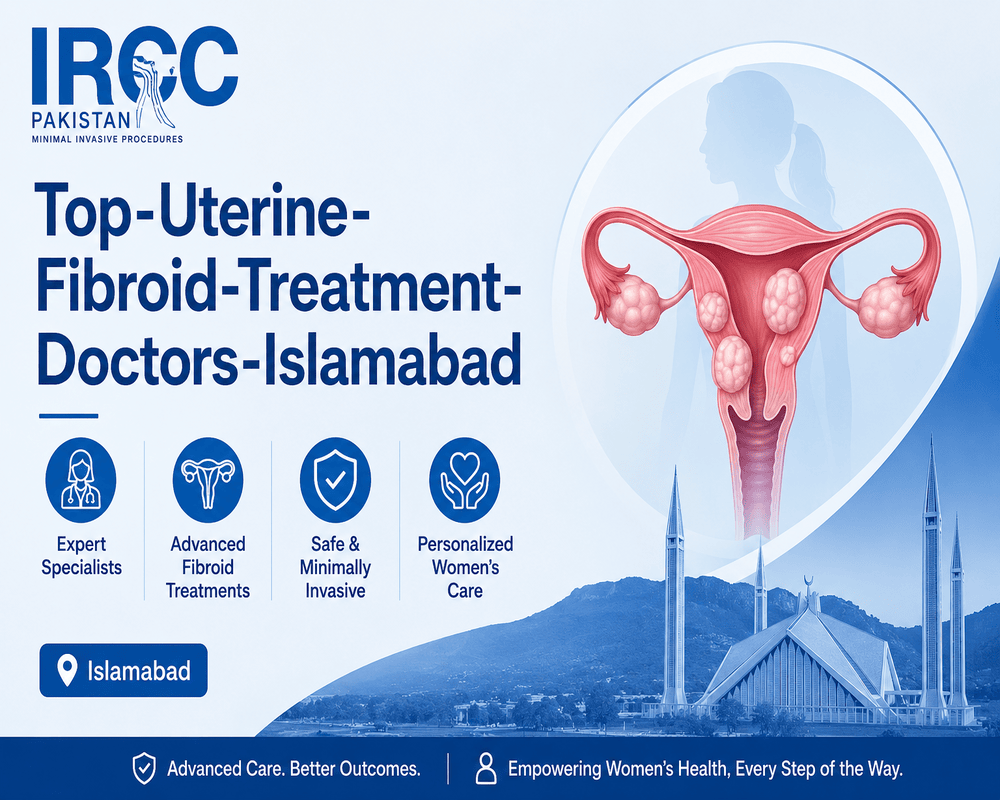
Uterine fibroids, also called leiomyomas, are non-cancerous growths made of muscle and fibrous tissue. They are very common. Many women with fibroids have no symptoms. When they do cause symptoms, the most common are heavy or painful periods, pressure in the lower belly and needing to pass urine often.
Fibroids inside the uterine cavity
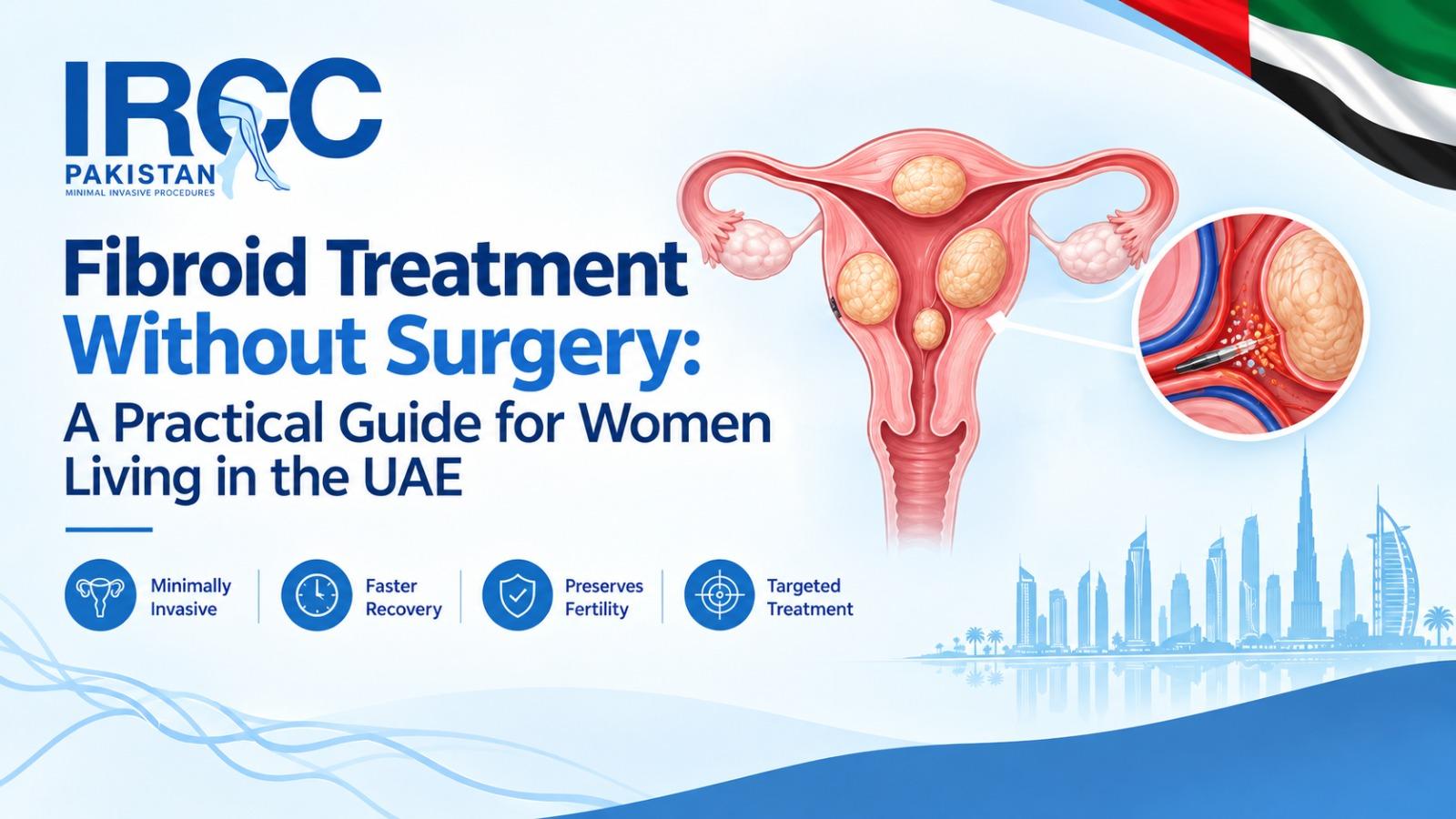
Submucosal fibroids grow under the lining of the uterus and push into the cavity. Because the lining is larger and more exposed, they are the type most often linked to heavy bleeding.
Fibroids in the muscle wall
Intramural fibroids grow inside the muscle wall. Large ones can stretch the uterus and increase bleeding. Small ones may cause no bleeding problem at all.
Fibroids on the outer surface
Subserosal fibroids grow on the outside of the uterus. They rarely cause heavy periods, but they can cause pressure or pain. For more on how fibroid position affects pregnancy, read Can Fibroids Affect Fertility? What Women Should Know.
The position and size of a fibroid usually matter more than the number of fibroids. One fibroid inside the cavity can cause more bleeding than several small fibroids in the outer wall.
Other causes of heavy periods
Fibroids are only one cause. Before a doctor decides that fibroids are responsible, they usually check for the conditions below.
| Cause | Common signs | Why it matters |
|---|---|---|
| Adenomyosis | Heavy, painful periods and an enlarged uterus | Can look similar to fibroids on a scan |
| Endometrial polyp | Bleeding between periods or irregular bleeding | Usually small, and often treatable |
| Hormone imbalance | Irregular cycles, very heavy or missed periods | Thyroid and ovary problems can be the cause |
| Bleeding disorder | Heavy bleeding since the first period, easy bruising | Needs a blood test. Important before any procedure |
| Medicines or devices | Heavier periods after starting a medicine or a coil | Review with the prescriber. Do not stop a medicine without advice |
Anaemia: the hidden risk of heavy periods
Losing a lot of blood each month can lower your iron levels and cause iron deficiency anaemia. Many women with heavy periods do not notice the anaemia until they feel very tired. Common signs include:
- Tiredness that does not improve with rest
- Breathlessness on mild effort, such as climbing stairs
- Dizziness or feeling faint when standing up
- Pale skin, cold hands and feet, or brittle nails
- Headaches, poor concentration or hair fall
A simple blood test measures haemoglobin and ferritin, which shows your stored iron. If iron is low, treatment can usually replace it. Your doctor will also look for the cause of the bleeding.
When to see a doctor
See a doctor if any of these apply to you:
- Your periods have become heavier than usual over the last few months
- Bleeding stops your normal activities, work, school or sleep
- You need to change protection during the night
- You feel tired, dizzy or short of breath
- You have pelvic pain or pressure, or you can feel a lump in the lower belly
- You have bleeding between periods, after sex, or after menopause
Tests your doctor may suggest
Tests depend on your age, symptoms and examination. The table shows what each test looks for.
| Test | What it shows |
|---|---|
| Full blood count and ferritin | Anaemia and iron stores |
| Thyroid and clotting tests | Hormone problems and bleeding disorders |
| Pelvic ultrasound | Size, number and position of fibroids, and the thickness of the lining |
| MRI of the pelvis | A more detailed map of fibroids and adenomyosis when the ultrasound is not clear |
| Hysteroscopy or lining sample | The inside of the uterus, polyps and, when needed, a sample of the lining |
Keep a bleeding diary for two to three cycles. Note the days of bleeding, how many pads or tampons you use each day, any clots, and how the bleeding affects your life. This helps your doctor decide which test to do first.
Treatment options your doctor may discuss
The right option depends on your age, symptoms, whether you want children in the future, and the type and size of fibroids. No single treatment is right for everyone.
| Option | How it helps | Points to discuss |
|---|---|---|
| Tranexamic acid tablets, taken during bleeding | Reduces menstrual blood loss | Suitable for some women only. Check clot risk and other conditions |
| Hormonal treatment, such as a hormone coil or the combined pill | Makes periods lighter or less frequent | Side effects and whether it suits your plans |
| Myomectomy | Removes fibroids and keeps the uterus | Surgery and recovery time. Future pregnancy plans |
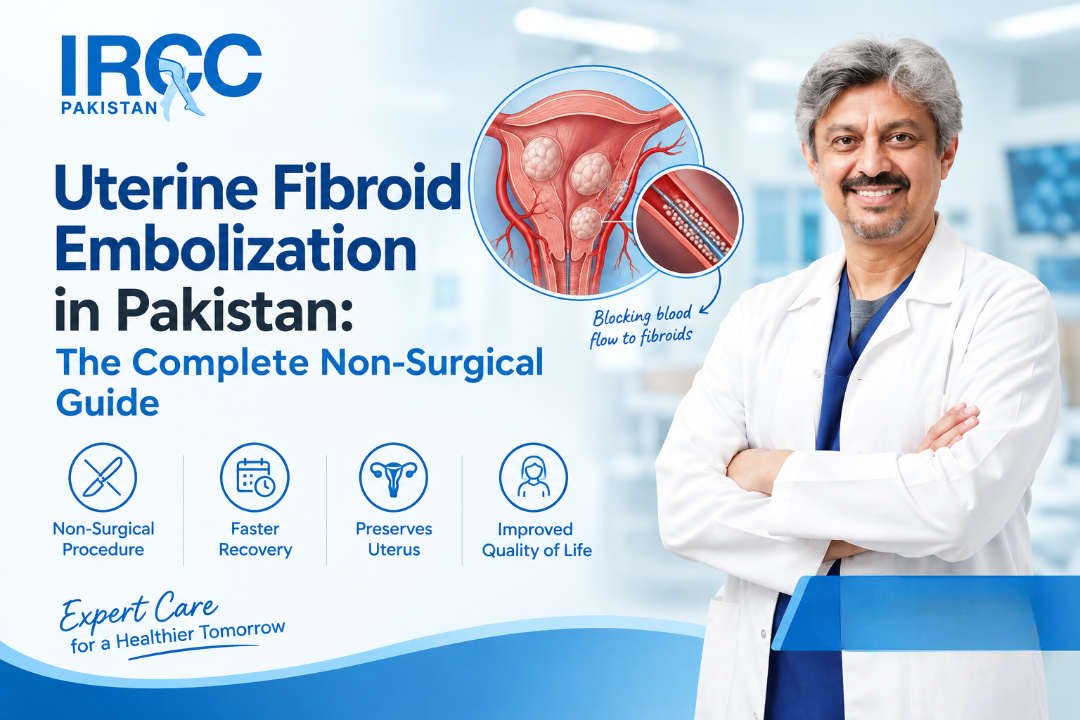
| Uterine fibroid embolization (UFE) | Reduces the blood supply to fibroids, so they shrink, and keeps the uterus | Suitability, recovery and follow-up. Future pregnancy plans |
| Endometrial ablation | Removes or reduces the lining of the uterus | Not suitable if you may want a pregnancy in future |
| Hysterectomy | Removes the uterus | Permanent. Usually considered when other options are not suitable |
If you want a detailed look at one minimally invasive option, read Uterine Fibroid Embolization in Pakistan: Complete Guide before your consultation. It explains how the procedure is planned and what follow-up involves.
Practical steps while you wait for a diagnosis
Waiting for an appointment can be stressful, especially when heavy bleeding affects work, school, travel or prayer. A few practical steps can make the days easier and give your doctor better information.
- Plan ahead. Keep spare protection in your bag, at work and in the car, so you are never caught without it.
- Choose protection that suits your flow. Some women use a pad at night and a tampon during the day, or a larger pad on the heaviest days. Change protection regularly to keep it hygienic.
- Eat iron-rich foods such as red meat, lentils, beans, dark green vegetables and fortified cereals. Food alone may not fix low iron, so ask a doctor before starting iron tablets.
- Use a hot water bottle or a warm bath for cramps, and rest when you can.
- Do not start or stop any medicine on your own. Some pain relief and blood thinning medicines can increase bleeding, so check with a pharmacist or doctor first.
If bleeding is getting worse, or you notice any of the urgent signs in the box above, do not wait for your appointment. Contact a doctor or an emergency service straight away.
What to expect at your first consultation
At the first visit, the doctor will ask about your periods, how long they have been heavy, your past pregnancies, medicines, family history of bleeding problems, and any pain or other symptoms. This history often points to the likely cause before any test is done.
A pelvic examination may follow, and a scan is usually arranged. Many clinics can arrange blood tests on the same day. Bring your previous reports, scans and a list of your medicines. If you have a bleeding diary, bring it too, because a record of several cycles is more useful than a memory of one.
Questions to ask at your consultation
Write your questions down before the visit. Many women also find it useful to read what patients commonly ask about minimally invasive fibroid treatment in Women Unaware of Fibroid Embolization (UFE) | IRCC.
- What is the most likely cause of my heavy periods?
- Which tests do you recommend, and what will each one show?
- Do I have anaemia, and how will we treat it?
- Which treatment options suit me, and what are the benefits and risks of each?
- What happens if I wait and monitor the symptoms for now?
Related guides: Uterine Fibroid Embolization in Pakistan: Complete Guide and Women Unaware of Fibroid Embolization (UFE) | IRCC.
References
- NHS, Heavy periods: nhs.uk/conditions/heavy-periods
- NHS, Fibroids: nhs.uk/conditions/fibroids
- NICE NG88, Heavy menstrual bleeding: assessment and management (2018): nice.org.uk/guidance/ng88
- ACOG Practice Bulletin No. 128, Diagnosis of Abnormal Uterine Bleeding in Reproductive-Aged Women (2012): acog.org
Frequently Asked Questions
Can fibroids cause heavy periods?
Yes. Fibroids, especially those that grow into the uterine cavity, are a common cause of heavy periods. Other conditions can also cause heavy bleeding, so a scan and blood tests are usually needed to find the cause.
How do I know if my period is heavy?
Heavy periods soak through protection every 1 to 2 hours, last more than 7 days, or pass large clots. If your periods affect your daily life, or you feel tired or breathless, ask a doctor for a check.
Do heavy periods always mean fibroids?
No. Adenomyosis, polyps, hormone problems, bleeding disorders and some medicines can also cause heavy bleeding. The doctor uses a scan and blood tests to find the cause.
Can heavy periods cause anaemia?
Yes. Ongoing heavy bleeding can lower iron levels and cause iron deficiency anaemia. A blood test checks this, and treatment can replace the iron if it is low.